Can-Am Cab Enclosure Guide: Doors, Roofs & Cold-Weather Kits
How to build a weather-tight cab on a Can-Am Maverick X3, Defender or Commander — roof, windshield, lower vs. full doors, rear dust panel, soft enclosures and cab heaters — in the order that actually works, with the fitment and safety traps nobody warns you about.
Parts covered in this guide
Weatherproofing the cab
Weatherproofing the cab
Comfort in wind, dust, and debris
Weatherproofing the cab
Weatherproofing the cab
Weatherproofing the cab
Can-Am powersports owners
| # | Product | Owner Reviews | Availability | Best For | |
|---|---|---|---|---|---|
| 1 | 816 | $99.99 In Stock at Amazon | Weatherproofing the cab | ||
| 2 | 255 | $239.99 In Stock at Amazon | Weatherproofing the cab | ||
| 3 | 59 | $189.99 In Stock at Amazon | Comfort in wind, dust, and debris | ||
| 4 | 634 | $16.99 In Stock at Amazon | Weatherproofing the cab | Buy on Amazon
Prime Eligible
| |
| 5 | 37 | $28.90 In Stock at Amazon | Weatherproofing the cab | Buy on Amazon
Prime Eligible
| |
| 6 | 650 | $31.51 In Stock at Amazon | Weatherproofing the cab | Buy on Amazon
Prime Eligible
| |
| 7 | 643 | $149.98 In Stock at Amazon | Can-Am powersports owners |
A cab enclosure is the one upgrade that changes when you ride, not just how. A Maverick X3 or Defender with a roof, a windshield, and doors is a machine you’ll take out in November rain and February slush instead of parking it in October. But an enclosure is a system, and buying it in the wrong order is how people end up with a dustier cab than they started with, a fogged-up windshield they can’t see through, or a heater kit that doesn’t plumb into their machine.
This guide covers what each piece actually does, the build order that works, the fitment traps that catch people, and the two safety issues that come with sealing a cab. The products below are real, in-stock parts; the buttons above jump to live eBay Motors listings, where OEM Can-Am doors, take-off roofs, and used cab enclosures actually live.
The build order that works: roof → rear panel → windshield → doors
Most owners buy the front windshield first because it’s the piece you look at. That’s the wrong end of the machine to start with.
A moving UTV drags a low-pressure pocket behind the cab. With an open back, that pocket pulls dust forward — under the roof, over your shoulders, and into your face. Add a front windshield to a machine with no rear panel and you’ve built a scoop: air enters at the sides, can’t exit forward, and swirls dust around the cab. This is the single most common enclosure complaint, and it’s a build-order problem, not a product problem.
Do it in this order instead:
- Roof. Sun, rain, branches, and the anchor point for everything else. Cheapest meaningful comfort gain on the machine.
- Rear panel or rear windshield. The piece that makes airflow go front-to-back and carries dust out instead of around.
- Front windshield. Now it’s doing what you wanted — blocking roost and wind, with a clean airflow path.
- Doors. The expensive step, and the last one you actually need.
- Heat, only after the cab is genuinely closed.
Each step is useful on its own, and none of them make the previous step worse. That’s the point.
Roofs: plastic, aluminum, and soft tops
A hard plastic roof is the default and it’s fine — light, quiet enough, cheap, and it drains. Aluminum roofs are stiffer and take branch strikes better but ring louder in rain and transmit more heat on a sunny day. Soft tops are the cheapest and the loudest, and they sag over time.
Two things to check before you buy:
- Seat count. A roof cut for a two-seat Maverick X3 will not cover an X3 Max. This is the most common cab-part return.
- Drainage. A roof that channels water off the back is a much better companion to open doors than one that dumps it straight down the sides into the cab.
The roofs & doors category is where in-stock roof and door hardware lands. For factory Can-Am roofs and take-offs from owners who switched styles, eBay Motors is usually the better hunt.
Windshields: the piece with the most decisions
Windshield choice deserves its own treatment and it has one — see the Can-Am windshield guide for full vs. half vs. vented and glass vs. hard-coated polycarbonate. The short version for enclosure purposes:
- Full windshield is what you want if the goal is an actual weather-tight cab.
- Vented full windshields are the compromise that keeps you from cooking in shoulder-season temperatures.
- Half windshields block roost but won’t build you a cab.
- Hard-coated polycarbonate survives impacts; glass survives dust abrasion and takes a wiper. Only glass should get a wiper — a blade on bare poly will scour it opaque.
The KEMIMOTO X3 full polycarbonate windshield below is the in-stock full-window option for X3 owners building toward a closed cab.
Lower doors vs. full doors
This is where the money is, and where most X3 owners get the best return on it.
Lower door panels close the gap under the factory door opening — the one that puts your legs directly in line with everything the front tire throws. On a Maverick X3 that gap is large, and closing it stops mud, water, rocks, and the roost off the machine ahead of you from arriving in your lap. It costs a fraction of what full doors cost, adds almost no weight, and keeps the open-air feel. If you’re buying one cab part for an X3, buy this one.
Two in-stock options below, and the distinction matters: the X3 two-door lower door panels with metal frame are a two-piece set for two-seat machines, while the X3 Max lower doors are a four-piece set for the four-seat Max. Buy the one that matches your seat count — they are not interchangeable.
Full doors are the real enclosure step: full-height panels that seal against the cage and let you close a cab completely. They’re heavier, more expensive, and they put far more load on the door hinges and latches — which leads directly to the next section.
Fender flares aren’t doors, but they solve the same problem from the other side. Extended flares stop the front tires from throwing a wall of mud and water up and over the door line in the first place, which is why owners who ride wet run extended fender flares alongside lower doors rather than instead of them.
Door hardware: the X3’s known weak point
The Maverick X3’s factory door handle and latch assembly is one of the platform’s genuinely documented weak spots — see the common Can-Am problems guide for the full list. Handles snap, latches wear, and doors start popping open on rough trail. Max models get it worse, simply because four doors see four times the cycles, and dust in the mechanism accelerates everything.
The fix is cheap and worth doing before it fails on the trail:
- X3 door handle latch set — direct replacement for the failure-prone factory handles.
- SAUTVS powder-coated door latches — a four-piece set, the right count for a Max.
- Door opener strut kits — gas struts that hold the door open instead of letting it swing back into your shin on a side hill. A comfort part, not a repair, but the one people add after their first muddy loading session.
If your door already has play in the handle or won’t latch cleanly on the first pull, replace the assembly. A door that pops open in deep mud is how door skins get bent backwards.
Rear panels and dust control
The rear panel is the least glamorous piece and the one that makes the whole enclosure work. Options range from a clear rear windshield (keeps visibility, blocks the dust pocket) to a solid dust-stopper panel to a soft mesh panel that cuts dust without sealing.
If dust is your actual problem — and on a Defender working dry ground it usually is — the ranking is straightforward: roof + rear panel beats front windshield alone, every time. Add the front windshield on top of that and you have a cab that stays genuinely clean. The windshields category and the roofs & doors category cover both halves.
Cold-weather kits and cab heaters
Heat comes last for a reason: heating a machine that isn’t sealed is a waste of money and current.
Coolant-fed heaters are the real answer. They tap the machine’s cooling system, run coolant through a small heater core, and blow warm air with a fan — the same principle as a car heater, and the only approach that produces meaningful heat. Two hard requirements: the machine has to be liquid-cooled, and the kit has to be model-specific, because the hose taps, core mounting, and ducting are not universal across the Maverick X3, Defender, and Commander. A generic kit means fabricating your own plumbing into a pressurized cooling system, which is not a place to improvise.
12-volt electric heaters draw serious current for modest output. They’re useful as a windshield defroster assist on short runs. They are not a cab heater, and running one hard is a good way to find out how much reserve your charging system actually has.
Beyond the heater itself:
- Defrost is an airflow problem, not just a heat problem. A sealed cab with wet gear in it fogs instantly. Point some airflow at the windshield and crack a vent.
- Glass takes a wiper; polycarbonate doesn’t. If you’re plowing or riding in sleet, that pushes you toward a glass front windshield.
- Cold kills marginal batteries. Winter is when a battery that was “fine” in September doesn’t crank — see the maintenance schedule and parts checklist.
- Heated grips and seat pads are the cheap heat upgrade, and they work on machines that will never have a full cab.
Two safety issues worth taking seriously
Carbon monoxide. A genuinely sealed cab plus engine exhaust is a real hazard, not a theoretical one — most dangerous when you’re idling, moving slowly, plowing with a tailwind, or working in a shed. Keep some deliberate airflow through the cab, never idle a sealed machine indoors, and treat a headache or unexpected drowsiness as a reason to open the cab immediately and get air.
Airflow around the CVT and exhaust. Soft enclosures, rear panels, and cab kits must never block the clutch intake and exhaust vents or sit against hot exhaust. Restricting CVT airflow cooks belts — the same failure mode covered in the drive belt guide — and fabric against a hot pipe is a fire, not an inconvenience. Route and secure everything so it can’t sag into either.
Model notes
- Maverick X3 / X3 Max. The most-supported platform for aftermarket cab parts by a wide margin. Watch the two-seat vs. Max split on every single part — roofs, lower doors, and door sets are all seat-count specific. Doors get used hard here, so budget for latch hardware.
- Defender / Defender Max. The model most likely to end up fully enclosed, because it’s the one doing work in bad weather. Full glass windshield, wiper, roof, rear panel, and a coolant-fed heater is the winter workhorse spec. Check the Defender accessories list for the rest of the work-machine build.
- Commander. Between the two — trail-focused but frequently enclosed. Fewer part options than the X3, so confirm fitment carefully and check eBay for OEM.
- Outlander. An ATV, not a UTV — there’s no cab to enclose. Cold-weather gear here means handguards, heated grips, and a windshield, not a cab kit.
- Ryker. A three-wheeled on-road vehicle. Nothing in this guide applies to it.
Not sure which generation or trim you have? The Can-Am model and fitment reference sorts out model years before you spend money on a part that won’t clamp.
Buying: new on Amazon, OEM and used on eBay Motors
New lower doors, roofs, windshields, latch hardware, and strut kits are widely stocked on Amazon — the products on this page are the current in-stock options, and the roofs & doors category has the rest.
eBay Motors is the better place for three specific things: OEM Can-Am cab parts by factory part number, take-offs from owners who switched from lower doors to full doors (cab parts come off machines constantly, and they’re bulky enough that people sell locally rather than store them), and discontinued fitments for older model years that nobody stocks new anymore. Cab heaters in particular show up used far more often than you’d expect, because they get pulled when a machine is sold. The buttons above search live X3 door, Defender enclosure, and UTV cab heater listings — eBay prices are shown live, so you can compare before you commit.
Whatever you buy, buy it against your exact model, seat count, and year. Cage tube diameter and door apertures changed across generations, and a cab part that doesn’t clamp cleanly leaks wind, water, and dust no matter how good the material is.
Related guides
- Best Can-Am Defender Windshields — full vs. half vs. vented, glass vs. poly, in depth
- Common Can-Am Problems and the Parts That Fix Them — including the X3 door latch failure
- Can-Am Model & Fitment Reference — confirm your model year and seat count first
- Can-Am Maintenance Schedule & Parts Checklist — the winter battery and belt items
- Browse roofs & doors and windshields to finish the enclosure
Shopping used or OEM? Try eBay Motors
Live listings for the parts covered in this guide — prices set by the seller.
Live Can-Am listings ending soon
LIVEReal-time eBay Motors listings · prices are current and set by the seller · tap a card to open it on eBay
Recommended Parts for This Guide
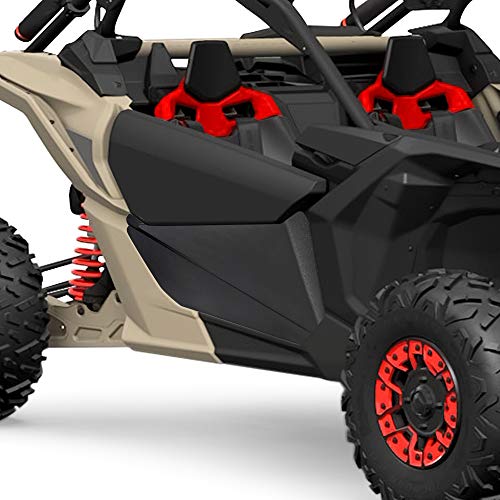
KEMIMOTO X3 Lower Doors, Lower Door Panels with Metal Frame | Compatible with Can Am X3 2017-2026, Lower Doors Replace OEM 715002903 (Pack of 2)
816 owner reviews
KEMIMOTO X3 Lower Doors, Lower Door Panels with Metal Frame compatible with Can Am Maverick X3 2017 2018 2019 2020 2021 2022 2023 2024 2025, Replace OEM 715002903 (Pack of 2). Weatherproof your Can-Am cab and cut down on dust and noise with this roof or door upgrade.
- Weatherproofs the cab
- Cuts dust & noise

KEMIMOTO X3 Max Lower Doors Compatible with Can Am Maverick X3 Max RS DS | 2017 2018 2019 2020 2021 2022 2023 2024 2025 2026 UTV Accessories (Pack of 4)
255 owner reviews
KEMIMOTO X3 Max Lower Doors Compatible with Can Am Maverick X3 Max RS DS 2017 2018 2019 2020 2021 2022 2023 2024 2025 2026. Weatherproof your Can-Am cab and cut down on dust and noise with this roof or door upgrade.
- Weatherproofs the cab
- Cuts dust & noise

StarknightMT X3 Windshield - Scratch Proof Polycarbonate Full Window Compatible with Can-Am Maverick X3 900 XRS XDS Turbo R Max 2017-2026(Except Intrusion Bar), Hard-coated Front Windshield
59 owner reviews
X3 Windshield - Scratch Proof Polycarbonate Full Window Compatible with Can-Am Maverick X3 900 XRS XDS Turbo R Max 2017-2026(Except Intrusion Bar), Hard-coated Front Windshield. Block wind, dust, and debris and ride in comfort with this windshield for your Can-Am.
- Blocks wind & dust
- Full/half/vented options
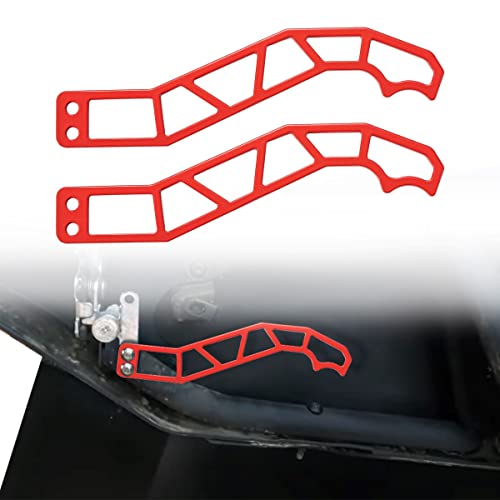
2PCS X3 Door Handle Latches Compatible with Can-Am Maverick X3 | X DS RS Turbo R Max 2 & 4 Door 2017-2026,Red
634 owner reviews
2PCS X3 Door Handle Latches Compatible with Can-Am Maverick X3 | X DS RS Turbo R Max 2 & 4 Door 2017-2026,Red. Weatherproof your Can-Am cab and cut down on dust and noise with this roof or door upgrade.
- Weatherproofs the cab
- Cuts dust & noise

SAUTVS Door Handles for Can-Am Maverick X3 / MAX 2017-2026 | Black Powder Coating Door Latches, Corrosion and Friction Resistance, 3D scanning technology, Precise Fitment, 4PCS
37 owner reviews
SAUTVS Door Handles for Can-Am Maverick X3 / MAX 2017-2026 | Black Powder Coating Door Latches, Corrosion and Friction Resistance, 3D scanning technology, Precise Fitment, 4PCS. Weatherproof your Can-Am cab and cut down on dust and noise with this roof or door upgrade.
- Weatherproofs the cab
- Cuts dust & noise

KEMIMOTO X3 Door Opener Kits Compatible with Can-Am Maverick X3 & Max | 2017-2025, Automatic Door Opening, Billet Aluminum Brackets, Easy Installation, Front & Rear Door Shocks Struts
650 owner reviews
Kemimoto X3 Door Opener Kits Door Shocks Struts Compatible with 2017-2025 Can Am Maverick X3 and Max Front and Rear Doors, Black. Weatherproof your Can-Am cab and cut down on dust and noise with this roof or door upgrade.
- Weatherproofs the cab
- Cuts dust & noise

KEMIMOTO X3 Fender Flares Extended Compatible with Can-Am Maverick X3 & Max | 2017-2026, Polypropylene Construction, Mud & Splash Protection, Front/Rear Fenders, Bolt-On Install, Replaces #715002973
643 owner reviews
KEMIMOTO X3 Fender Flares Extended Compatible with Can-Am Maverick X3 & Max RS Turbo R RR 2017-2026 Front and Rear Side Fenders Mud Guards Accessories Parts OEM Replacement 715002973. A quality upgrade or replacement part for your Can-Am powersports machine.
- Fits Can-Am powersports
- Quality build
Frequently Asked Questions
What order should I build a Can-Am cab enclosure in?
Are lower doors on a Maverick X3 actually worth it?
Why do Can-Am Maverick X3 door handles break?
Do I need a heater for a Can-Am in winter, and how do they work?
Is it safe to fully enclose a UTV cab?
Will Defender doors or a Defender roof fit a Maverick X3?
Keep reading — and shop the parts
The references that pair with this guide, plus the parts categories they cover.
- GuideBest Can-Am Defender Windshields: Full vs. Half vs. Vented (Glass & Poly)A wrench-turner's guide to windshields for the Can-Am Defender, Maverick X3 & Commander — full vs. half vs. vented, glass vs. polycarbonate, DOT laminated vs. hard-coat poly, and how to buy new on Amazon or used/OEM on eBay Motors.
- Top ListBest Can-Am Defender Accessories for Work and TrailThe Can-Am Defender accessories that earn their keep — winches, windshields, roofs and doors, skid plates, and lighting — ranked for utility owners and trail riders alike.
- GuideCan-Am Model & Fitment Reference: Maverick X3, Defender, Ryker, Outlander & Commander by YearThe plain-English fitment reference for Can-Am owners — how to identify your model, year, generation, width, and trim so the parts you buy actually fit. Covers Maverick X3, Defender, Ryker, Outlander, and Commander, plus how fitment changes by part category.
- GuideCommon Can-Am UTV Problems by Model — and the Parts That Fix ThemThe real-world weak spots owners actually hit on the Maverick X3, Defender, Commander, and Outlander — belt burns, clutch heat, door-handle breakage, intake dust, fouled plugs — and the exact fix-it parts (new on Amazon, OEM and used on eBay Motors) to keep on the shelf.