Common Can-Am UTV Problems by Model — and the Parts That Fix Them
The real-world weak spots owners actually hit on the Maverick X3, Defender, Commander, and Outlander — belt burns, clutch heat, door-handle breakage, intake dust, fouled plugs — and the exact fix-it parts (new on Amazon, OEM and used on eBay Motors) to keep on the shelf.
Parts covered in this guide
Routine service and reliability
Routine service and reliability
Big-tire and high-elevation builds
Weatherproofing the cab
Routine service and reliability
New wheel and tire setups
Can-Am powersports owners
| # | Product | Owner Reviews | Availability | Best For | |
|---|---|---|---|---|---|
| 1 | 662 | $229.99 In Stock at Amazon | Routine service and reliability | ||
| 2 | 289 | $151.95 In Stock at Amazon | Routine service and reliability | ||
| 3 | 229 | $27.99 In Stock at Amazon | Big-tire and high-elevation builds | ||
| 4 | 634 | $16.99 In Stock at Amazon | Weatherproofing the cab | Buy on Amazon
Prime Eligible
| |
| 5 | 32 | $30.99 In Stock at Amazon | Routine service and reliability | ||
| 6 | 116 | $53.99 In Stock at Amazon | New wheel and tire setups | Buy on Amazon
Prime Eligible
| |
| 7 | 243 | $48.99 In Stock at Amazon | Can-Am powersports owners |
Every platform has its known weak spots, and the Can-Am lineup is no different. Knowing which problems your model actually hits — and having the right fix-it part on the shelf before it strands you — is the difference between an hour in the garage and a weekend waiting on a box. This is the honest, owner’s-eye rundown: the failures that come up again and again on the Maverick X3, Defender, Commander, and Outlander, and the exact parts that fix them. New and aftermarket parts are on Amazon; OEM part numbers, discontinued pieces, and used spares live on eBay Motors — both rails are linked throughout.
One honest caveat: “common” doesn’t mean “your machine will fail.” A well-maintained Can-Am is a reliable machine. These are the patterns owners report most — knowing them just lets you get ahead of them. Always confirm the right part for your model and year in our Can-Am model & fitment reference before ordering.
The #1 issue: drive-belt failure (every CVT model)
If you own a Maverick X3, Defender, or Commander long enough, you’ll deal with the belt. The CVT belt is a wear part living in a hot, enclosed housing, and on the high-output turbo X3 especially, heat and torque punish it. The classic failure modes:
- Glazing and slip — a shiny, hardened belt that no longer grips, usually from riding too much in high range at low speed.
- Delamination or shredding — often after a hard pull, a water crossing that soaked the CVT, or running a belt past its life.
- A clean snap — the one that leaves you stranded miles from the trailhead.
The fixes: keep the CVT clean, dry, and vented; drive in low range when the load or terrain calls for it; and run a good belt. The OEM 100% PBO performance belt (part 422280652) is the known baseline, and heavy-duty aftermarket options like the SuperATV CVT belt survive more heat and abuse. Whatever you run, carry a spare belt and the tool to swap it — this is the one failure you can fix trailside if you’re prepared. Our drive belt guide covers how belts wear and when to replace them, and the clutch kit guide explains why a mismatched tune burns belts early.
Clutch and CVT heat (Maverick X3 especially)
Belt life is really a heat story. The CVT and clutch sit in an enclosed space, and in deep mud, sand, or slow technical crawling — exactly where the belt slips most and airflow is worst — temperatures climb fast. Owners who ride dirty report belt life measured in rides, not seasons.
The fixes: first, keep the CVT intake and exhaust vents clear (a mud-packed intake is a cooked belt). Second, a RASTP X3 Belt Changing Tool X3 Clutch Removal Kit For 2017-2023… reroutes and improves CVT airflow to help the belt run cooler and quieter. And third, match your clutch tune to your tires and elevation — the wrong tune makes the clutch slip and the belt burn no matter how good the belt is.
Broken door handles and latches (Maverick X3 / X3 Max)
One of the most-reported small failures on the X3 platform: the factory inner door latch/handle cracks or snaps. The plastic release mechanism is the weak point, and once one door goes, the other usually isn’t far behind — washboard trails and repeated slamming finish them off.
The fix: a replacement door-handle latch set restores a door that won’t open or won’t stay latched, and many owners do both sides at once. Reinforced aftermarket handle kits are a common upgrade over the brittle factory piece. For OEM latch part numbers or a hard-to-find discontinued piece, the eBay Motors search below is the place to look. If you’re upgrading the doors themselves rather than just the hardware, the cab enclosure guide covers lower doors, full doors, and strut kits.
Intake dust and air-filter neglect (all models)
A Can-Am spends its life in dust and mud, and the air filter is the last line of defense for the engine. Two failure patterns: a clogged filter that chokes power and richens the mixture, and — far worse — a torn or poorly-seated filter that lets grit straight into the intake. On the Maverick X3 and Maverick Sport, the OEM air filter is part 715900422.
The fix: inspect the filter far more often than the manual’s baseline if you ride dirty, and keep a spare so a dirty filter never keeps you home. The 3-pack replacement air filters are exactly this fitment and in stock now. Make sure the airbox seals properly on reassembly — a filter that’s clean but not sealed is no protection at all.
Hard starts and fouled spark plugs (all models)
A Can-Am that cranks but won’t fire cleanly, idles rough, or has lost its easy start is often just due for plugs. Fuel quality, lots of low-speed running, and time all foul plugs, and it’s the cheapest fix on this whole list.
The fix: a fresh, correctly-gapped NGK spark plug set restores easy starts and clean running. Match the plug and gap to your engine (confirm in the fitment reference), and keep a set with your tools — plugs are cheap insurance and a five-minute job.
Worn brakes — faster on the Defender and anything on big tires
Brakes aren’t a “defect,” but they’re a common complaint because owners underestimate how fast they wear. The Defender hauls and tows, big tires add rotating mass, and mud is an abrasive — all of it eats pads. The tell is a longer pedal, a grind, or fade on a long descent.
The fix: replacement brake pads once yours are past half, and don’t let the fluid go past its flush interval. If you run big tires, tow, or ride aggressive, our brake upgrades guide covers sintered pads, stainless lines, and when a big-brake kit is actually worth it.
Model-by-model: where each one is weak
- Maverick X3 / X3 Max — belt and CVT heat are the headline, plus door-handle latches and intake dust. High output means everything runs hotter; service the belt and filter more often than the baseline. Build it right with the X3 performance top-list and the skid plate guide to protect the underside.
- Defender / Defender Max — the workhorse. Towing and hauling load the belt and engine and eat brakes fastest; stay ahead of the drive belt and pads before a big-work season. See the Defender winch guide and towing accessories if you’re building it for work.
- Commander — shares the X3’s CVT rhythm at lower output; belt, filter, plug, and brakes on its own intervals.
- Outlander — the ATV of the lineup, so the weak points shift toward CV boots, wheel bearings, and the belt on the Outlander’s own schedule rather than doors and cage hardware. Torn CV boots are the one to watch here — the CV boot and axle guide covers the two-minute inspection that saves an axle.
- Ryker — a three-wheel Rotax, not a UTV. Its weak points and service parts are different again; don’t assume any of the UTV specifics transfer. Confirm everything in the fitment reference.
Keep the fix-it parts on the shelf
The theme across every one of these: the owners who don’t lose weekends are the ones who stocked the part before it failed. The short shelf list —
- A spare drive belt + belt tool (the one failure you can fix trailside)
- An air filter (part 715900422 on the X3 / Maverick Sport)
- A spark plug set
- Brake pads once yours are past half
- A door-handle latch set if you run an X3 with the factory handles
— covers the vast majority of what actually goes wrong. Our maintenance schedule & parts checklist turns this into a full service rhythm.
Where to buy the fixes
- New and aftermarket fix-it parts: Amazon Powersports — the belts, filters, plugs, latches, and pads above are in stock, or browse the full maintenance category.
- OEM part numbers, discontinued pieces, and used spares: eBay Motors, via the search buttons above — listing prices are set live by the seller, and OEM numbers like 422280652 (belt) and 715900422 (air filter) make an exact-fit part easy to find. eBay is also the best place for a discontinued OEM door latch or a used take-off part.
Know your model’s weak spots, keep the handful of fix-it parts on the shelf, and a “common Can-Am problem” becomes a non-event. For the full preventive rhythm, start with the maintenance schedule; to confirm the right part for your year, use the model & fitment reference.
Shopping used or OEM? Try eBay Motors
Live listings for the parts covered in this guide — prices set by the seller.
Live Can-Am listings ending soon
LIVEReal-time eBay Motors listings · prices are current and set by the seller · tap a card to open it on eBay
Recommended Parts for This Guide

Can-Am OEM 100% PBO Performance Drive Belt Maverick X3, 422280652
662 owner reviews
Can-Am OEM 100% PBO Performance Drive Belt Maverick X3, 422280652. Keep your Can-Am running ride after ride with this routine service part.
- Keeps your Can-Am running
- OE-quality replacement

SuperATV CVT Drive Belt for Can Am Maverick X3 | Heavy-Duty World's Best Drive Belt, 2017-2020+, Aramid Fiber & High Strength Rubber, USA Made
289 owner reviews
SuperATV CVT Drive Belt for Can Am Maverick X3 | Heavy-Duty World's Best Drive Belt, 2017-2020+, Aramid Fiber & High Strength Rubber, USA Made. Keep your Can-Am running ride after ride with this routine service part.
- Keeps your Can-Am running
- OE-quality replacement

RASTP X3 Belt Changing Tool X3 Clutch Removal Kit For 2017-2023 UTV Can-Am Maverick X3/X3 MAX/RS/DS/TURBO/R Fits 64"/72” Wheel Base Width(Black) | X3 Clutch Removal Kit, Compatible with 2017-2023 UTV Can-Am Maverick X3/X3 MAX/RS/DS/TURBO/R Fits 64"/7
229 owner reviews
RASTP X3 Belt Changing Tool X3 Clutch Removal Kit For 2017-2023 UTV Can-Am Maverick X3/X3 MAX/RS/DS/TURBO/R Fits 64"/72” Wheel Base Width(Black). Clutch tuning matched to big tires and elevation to restore throttle response on your Can-Am.
- Restores throttle response
- Matched to tire size
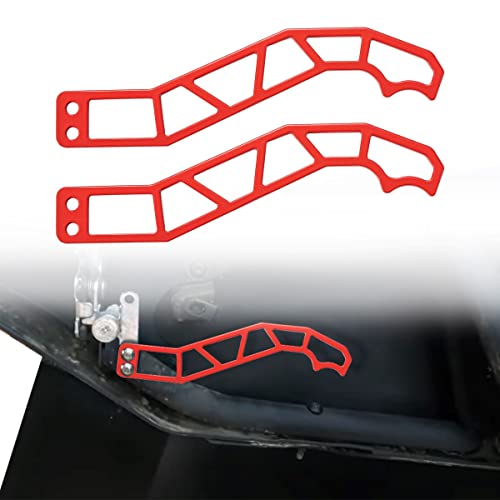
2PCS X3 Door Handle Latches Compatible with Can-Am Maverick X3 | X DS RS Turbo R Max 2 & 4 Door 2017-2026,Red
634 owner reviews
2PCS X3 Door Handle Latches Compatible with Can-Am Maverick X3 | X DS RS Turbo R Max 2 & 4 Door 2017-2026,Red. Weatherproof your Can-Am cab and cut down on dust and noise with this roof or door upgrade.
- Weatherproofs the cab
- Cuts dust & noise

3pcs 715900422 Air Filter Compatible for Can Am Maverick X3 Air Filter 2017 2018 2019 2020 2021 2022 2023 Maverick Sport 1000 R 2019-2022 Replace OEM 715900422
32 owner reviews
3pcs 715900422 Air Filter Compatible for Can Am Maverick X3 Air Filter 2017 2018 2019 2020 2021 2022 2023 Maverick Sport 1000 R 2019-2022 Replace OEM 715900422. Keep your Can-Am running ride after ride with this routine service part.
- Keeps your Can-Am running
- OE-quality replacement

NGK Spark Plug 3-Pack Replacement for Can-Am Maverick X3 Turbo Turbo R Turbo RR (2017–2022) – Replaces 415130363 715900492
116 owner reviews
NGK Spark Plug 3-Pack Replacement for Can-Am Maverick X3 Turbo Turbo R Turbo RR (2017–2022) – Replaces 415130363 715900492. Wheels, tires, and hardware sized and rated for your Can-Am Maverick X3, Defender, or Outlander — factory-style to aggressive off-road fitments.
- Can-Am fitments
- Durable construction

Brake Pad for Can-Am Maverick X3 Max 4x4 XRS DPS Trail 800 1000 17-25 | 4 Sets Front & Rear Brake Pads for Can Am Maverick Sport 1000 2019-2025,Turbo Traxter T HD5 HD8 10,Can-Am Defender Max 17-22
243 owner reviews
Brake Pad for Can-Am Maverick X3 Max 4x4 XRS DPS Trail 800 1000 17-25 | 4 Sets Front & Rear Brake Pads for Can Am Maverick Sport 1000 2019-2025,Turbo Traxter T HD5 HD8 10,Can-Am Defender Max 17-22. A quality upgrade or replacement part for your Can-Am powersports machine.
- Fits Can-Am powersports
- Quality build
Frequently Asked Questions
What is the most common problem on the Can-Am Maverick X3?
Why does my Can-Am X3 door handle keep breaking?
Does the Can-Am Maverick X3 have overheating or clutch heat problems?
What parts should I keep on the shelf for my Can-Am UTV?
Are these problems different on the Defender, Commander, and Outlander?
Keep reading — and shop the parts
The references that pair with this guide, plus the parts categories they cover.
- GuideCan-Am CV Boot & Axle Guide: Spotting a Torn Boot Before It Grenades an AxleHow CV boots fail on the Can-Am Maverick X3, Defender, Outlander and Commander — how to inspect them, what a torn boot really costs you, boot kit vs. rebuilt vs. complete axle, stock vs. heavy-duty aftermarket, and how to buy new on Amazon or OEM and used on eBay Motors.
- RoundupThe Best Can-Am Maverick X3 Accessories for Every BuildA curated roundup of the best Can-Am Maverick X3 accessories — lower doors, fender flares, winch bumpers, windshields, mirrors, belts, filters, and brakes — for trail, rock, and desert builds on any budget.
- GuideBest Can-Am Skid Plates & Armor: Belly Pans, A-Arm Guards & Rock SlidersA wrench-turner's guide to underbody armor for the Can-Am Maverick X3, Defender & Commander — full belly skid plates, A-arm and CV guards, rock sliders and frame protection, plus UHMW vs. aluminum vs. steel and how to buy new on Amazon or used/OEM on eBay Motors.
- GuideCan-Am Cab Enclosure Guide: Doors, Roofs & Cold-Weather KitsHow to build a weather-tight cab on a Can-Am Maverick X3, Defender or Commander — roof, windshield, lower vs. full doors, rear dust panel, soft enclosures and cab heaters — in the order that actually works, with the fitment and safety traps nobody warns you about.