Maintenance for Can-Am Maverick X3, Defender & Ryker
Oil, oil and air filters, spark plugs, coolant, and drive belts — the routine service parts that keep your Can-Am running ride after ride.
12 parts
The service schedule and wear-parts checklist
Most Can-Am service problems aren't hard to fix — they're a wait, because the part wasn't on the shelf when the machine needed it. Rotax-powered Maverick X3, Defender, Commander, and Outlander engines share the same core rhythm: oil and filter on the regular interval, air filter as dirty as your riding demands, spark plugs on schedule, and a CVT drive belt inspected and kept in spare. The Ryker follows the same oil/air-filter/belt logic on its own three-wheel intervals — it isn't a UTV, so don't assume the side-by-side schedule applies to it.
The core interval for most Rotax UTV engines is roughly every 3,000 miles or once a year, whichever comes first, plus an early break-in change on a new machine — sooner if you ride mud, dust, water, or heavy load. Two OEM part numbers come up constantly on the Maverick X3 and Maverick Sport: the air filter is 715900422, and the OEM performance drive belt is 422280652. Having both terms handy makes it easy to match a listing to the correct fitment on either Amazon or eBay.
Service buckets by frequency | When | What to check or replace | Why it matters |
| Every ride | Tires, fluid levels, air filter (if dusty/wet last time out), CVT intake after mud or water | Catches a problem before it strands you, costs 2 minutes |
| Regular service (~3,000 mi / annual) | Oil + oil filter, air filter, spark plug(s), CVT belt inspection, brake pads/fluid | The core interval — the one most owners already know but don’t stock parts for |
| Seasonal / annual | Coolant, brake fluid flush, fuel stabilization + battery tending, full re-torque | Catches slow failures (corrosion, absorbed water in brake fluid) miles-based schedules miss |
Service buckets by frequency
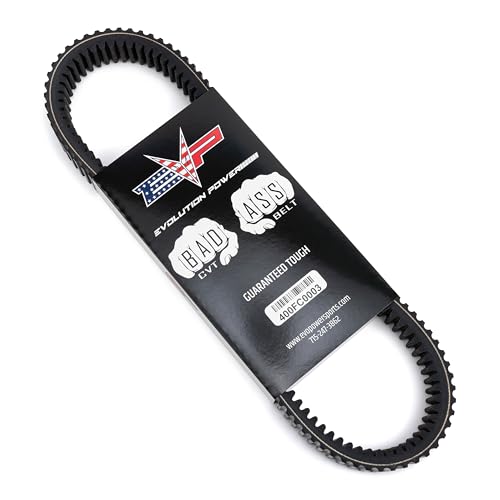
A drive belt is the one wear part on a CVT machine (X3, Defender, Commander) that can fail without much warning, often after a hard pull or water crossing — carry a spare and the tool to swap it rather than treating belt health as optional. Exact oil capacity, spark-plug gap, and interval vary by engine and model year, so treat the numbers above as a practical baseline and confirm the specifics in your machine’s operator’s guide before you wrench. The full schedule, model-by-model notes, and the wear-parts checklist are in our maintenance schedule guide.